
 Program
 YouTube
 Instagram
 Facebook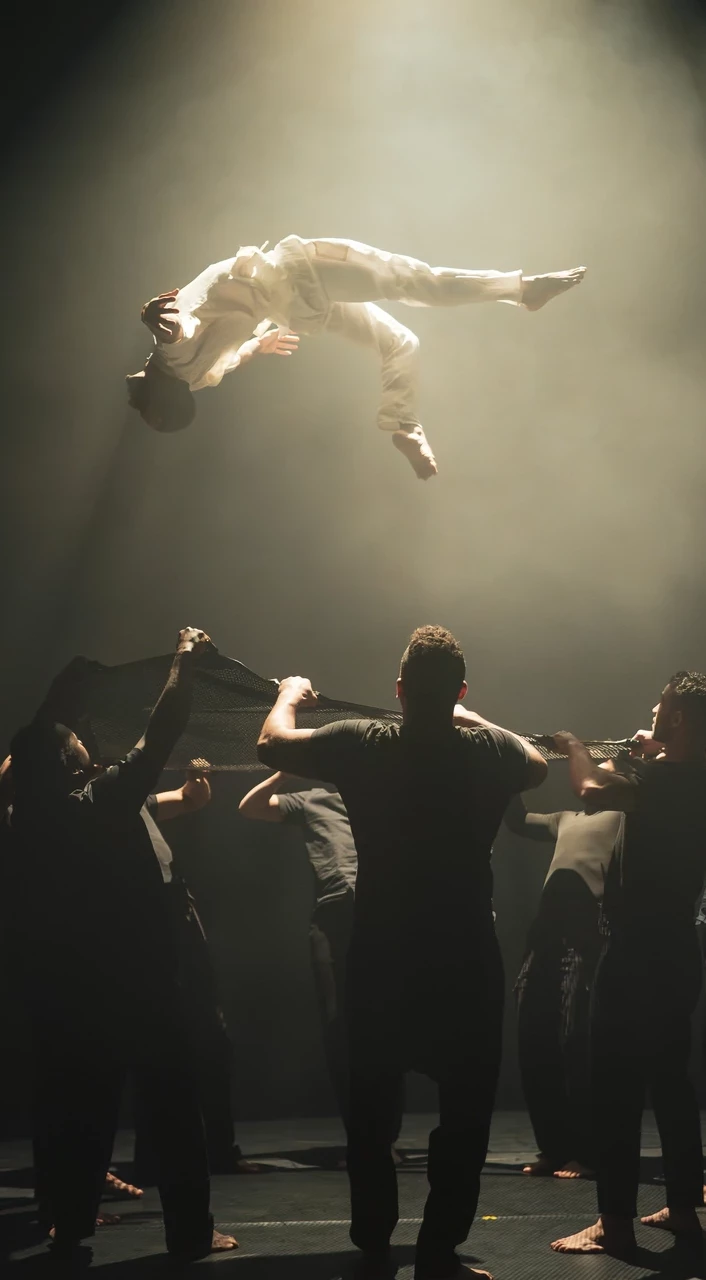
What is actually popular? And what does it mean when art wants to be - or should be - popular? This term, which seems more relevant today than ever before, moves between mass phenomenon and communal experience, between political strategy and artistic openness. Being popular means generating attention, finding resonance, reaching people. But what does this mean for art, for theater and dance, for music - for those places that combine encounters, experimentation and social reflection? From 01 May to 06 June, “Make it Pop!” presents artistic works, lectures, workshops and festivals that pose questions about the presence, seduction and impact of the popular - with all its dazzling, contradictory and liberating facets.
The popular characterises our present on almost all levels. Populist movements utilise the mechanisms of mass appeal and digital platforms just as virtuously as the pop industry stages its stars and narratives. Their success lies in their ability to generate images, emotions and affiliations and thus reach many people for a certain period of time. At the same time, the popular demonstrates the great promise of participation - a democratic, sometimes anarchic impulse that breaks down the boundaries between “high” and “everyday” culture, between experts and the public.
In cooperation with the Collaborative Research Centre “Transformationen des Populären” at the University of Siegen, HELLERAU combines artistic practice with academic research. The question is not: Is the popular good or bad? But rather: How does it change our forms of coexistence, aesthetics and institutions? Can the popular itself become a tool for open, resistant art?
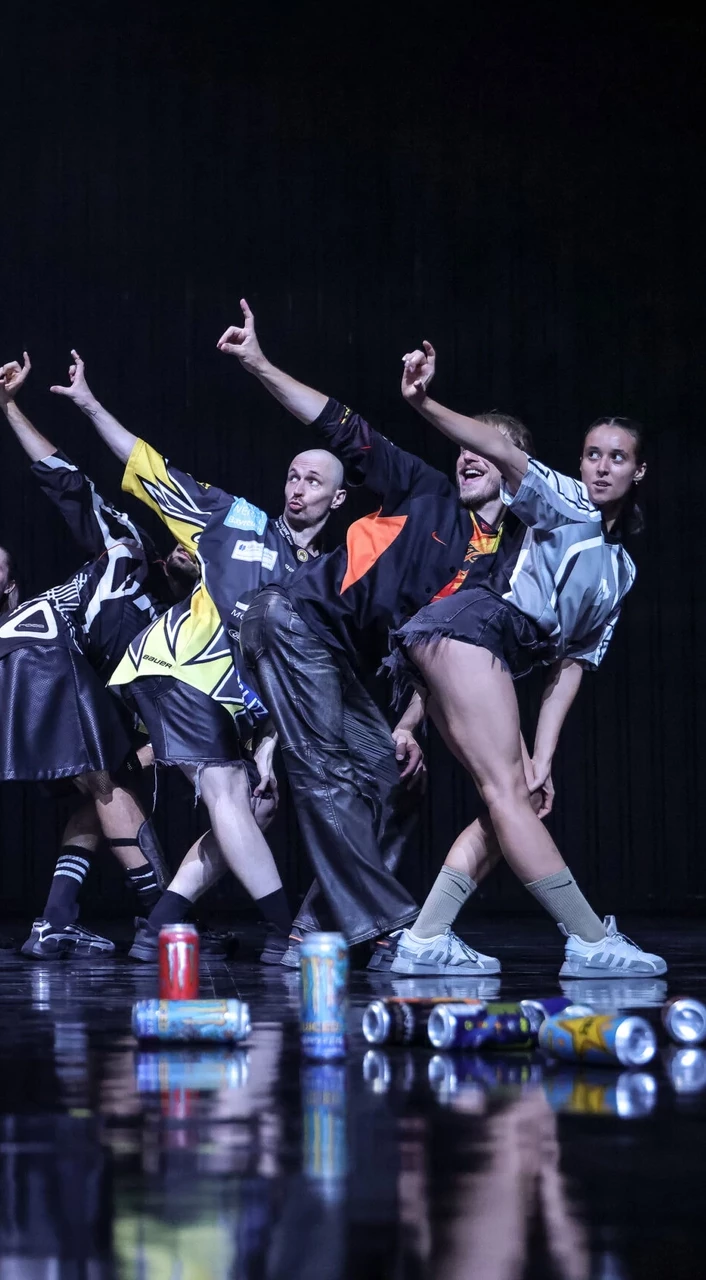
With the “Make it Pop!” festival, HELLERAU is opening a laboratory for encounters, movement and participation. The international program shows how differently artists today deal with popular forms - from urban dance styles to internet aesthetics, from community projects to choreographic self-questioning.