
 Program
 YouTube
 Instagram
 Facebook
Mariia Bakalo & Maria Kardash (Ukraine/Austria)
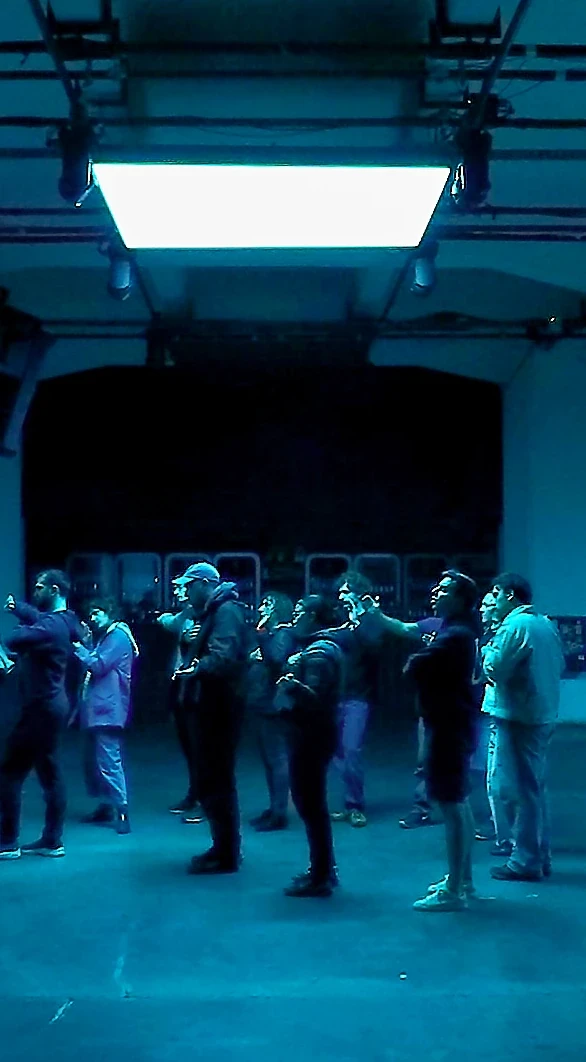
The research project of von Mariia Bakalo & Maria Kardash explores the embodiment of quotidian and alternative social appearances of the 1990s in Ukraine and revolves around two parallel worlds: everyday life preserved in family archives and the rise of subcultures that sought to escape that daily reality. Mariia Bakalo’s focus is on domestic rituals and family video archives, examining what people choose to capture and preserve in their personal histories. Maria Kardash’s focus is on subcultures of the 1990s. In her research she highlights forms of embodied resistance through alternative appearances and experimentation, contrasting them with everyday norms. The project seeks to bring these two perspectives—mainstream and underground—into dialogue, rethinking their influence on contemporary society.
Biographies
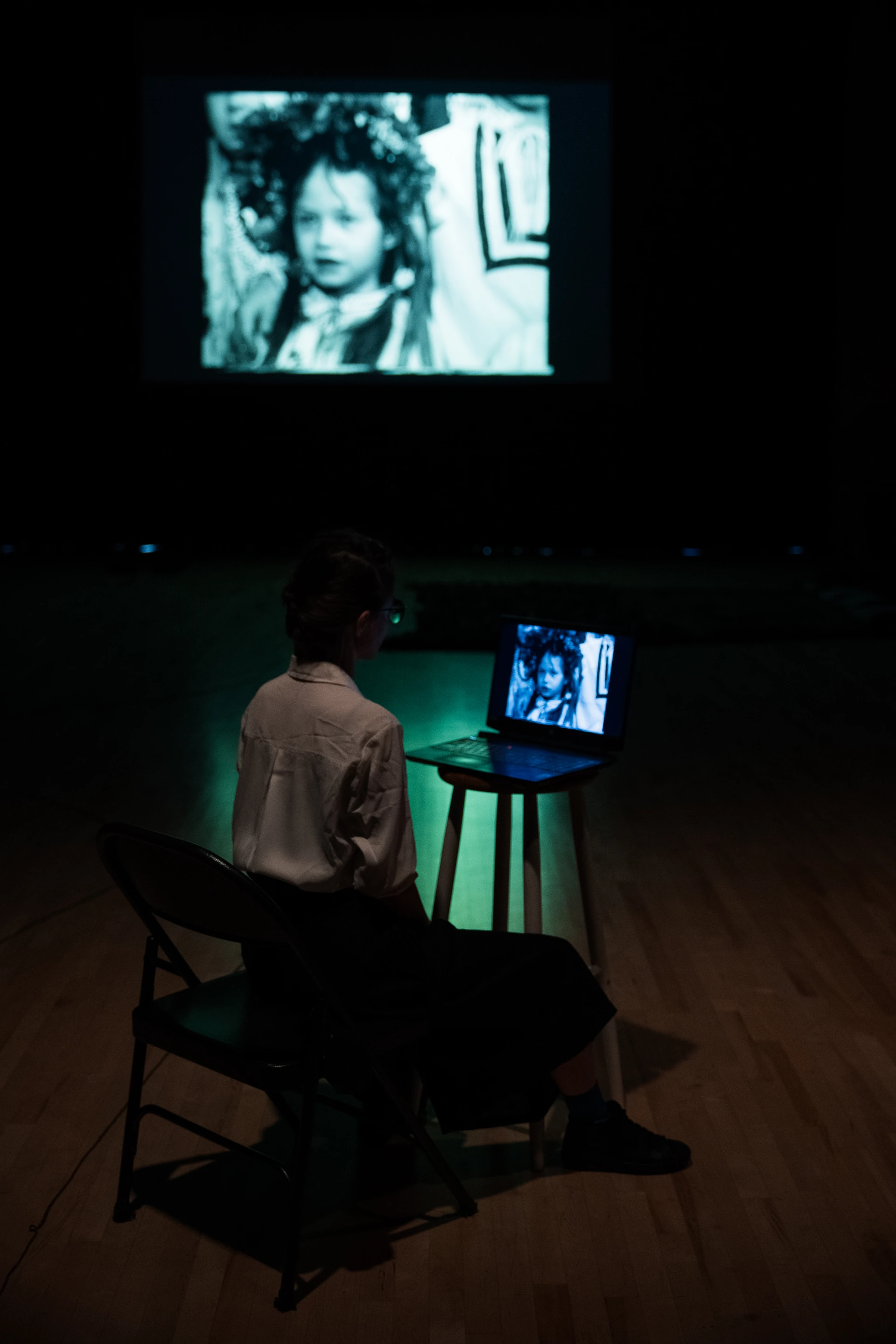
Photo: Noah Arjomand
Mariia Bakalo is a choreographer from Ukraine (Crimea) based in Lviv since 2014. In her artistic practices, she questions art’s futility during significant crises and gross human sufferings. A substantial part of her exploration of bodily movement is the potency of the mixed-ability dance practice. Her recent works are shaped as performance lectures incorporating auto-ethnographic elements and storytelling about the politics of touch and the weight of time. She is a certified DanceAbility teacher and holds an MFA degree in Experimental Choreography from the University of California Riverside.

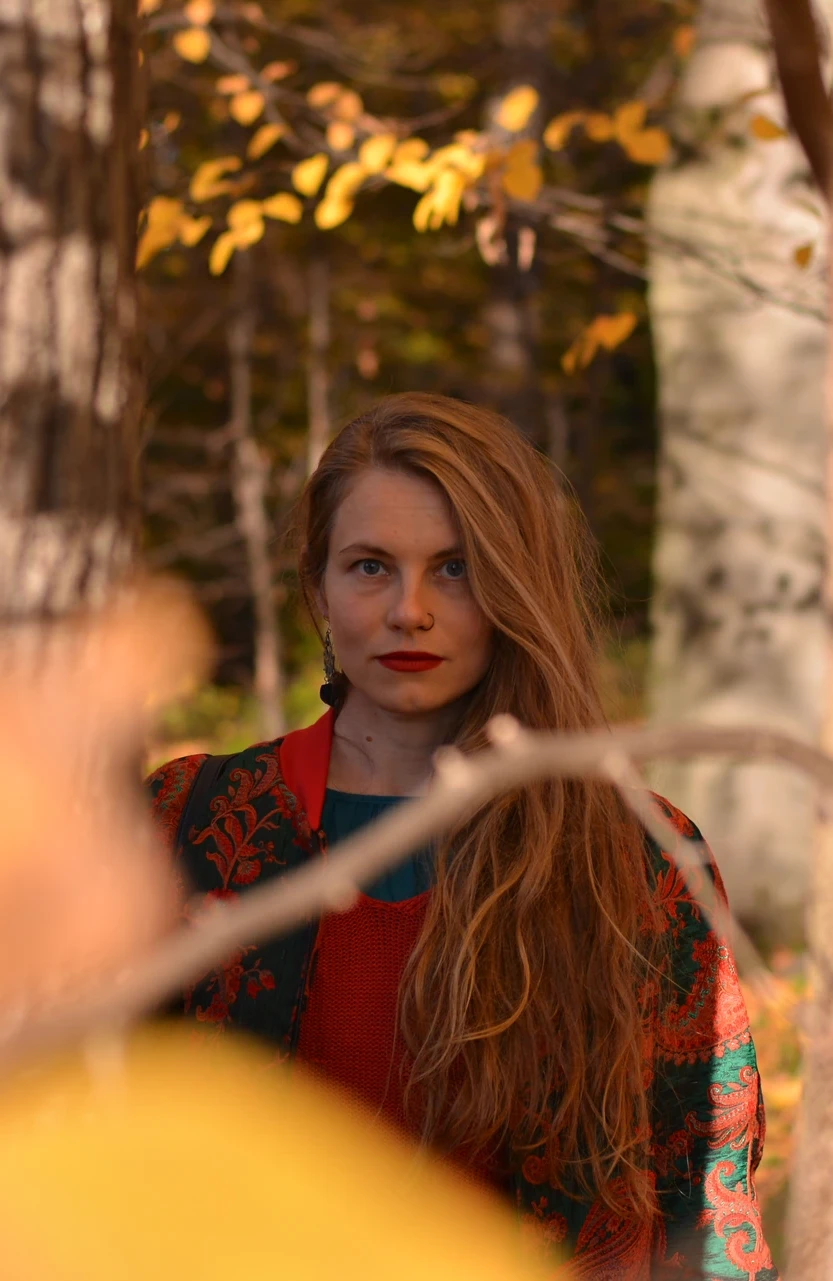
Photo: Elmira Shemsedinova
Maria Kardash is an artist-researcher, performer and dance anthropologist from Ukraine, currently based in Graz where she pursues PhD studies in Ethnomusicology in the Arts University of Graz. Maria Kardash’s artistic and academic practice is focused on the human body in motion and its potential to become as the instrument of state politics, so the tool of individual emancipation. She is a holder of Erasmus Mundus and Visegrád scholarships.
Funding
As part of the “Transformation Forever” festival. “Transformation Forever” is funded by the German Federal Cultural Foundation. Funded by the Federal Government Commissioner for Culture and the Media.