

 Program
 YouTube
 Instagram
 Facebook


According to Noa Eshkol (1924–2007, Holon, Israel), dance should be performed without sets, costumes, or music—her goal was absolute concentration on the essential. In her choreographic pieces, body parts are treated as separate instruments. Each one has its own scope and possibilities. Eshkol developed her choreographic works with a deep understanding of the body and space. Together with the architect Abraham Wachmann, she developed a unique notation system in 1954 to codify these works: the Eshkol-Wachmann Movement Notation (EWMN). Her large-scale, vibrantly colored tapestries form a counterpoint to her minimalist choreographies and graphic dance notations. Beginning in 1973 and with the outbreak of the Yom Kippur War, Eshkol began creating these abstract textile compositions from collected and donated fabric scraps together with her ensemble. This is the first time her works have been presented in Dresden. The exhibition features a selection of tapestries whose themes and motifs engage in a direct dialogue with the Festspielhaus and the surrounding garden city. The exhibition is complemented by archival materials.
At the opening, visitors will have the opportunity to take part in a guided tour of the exhibition.
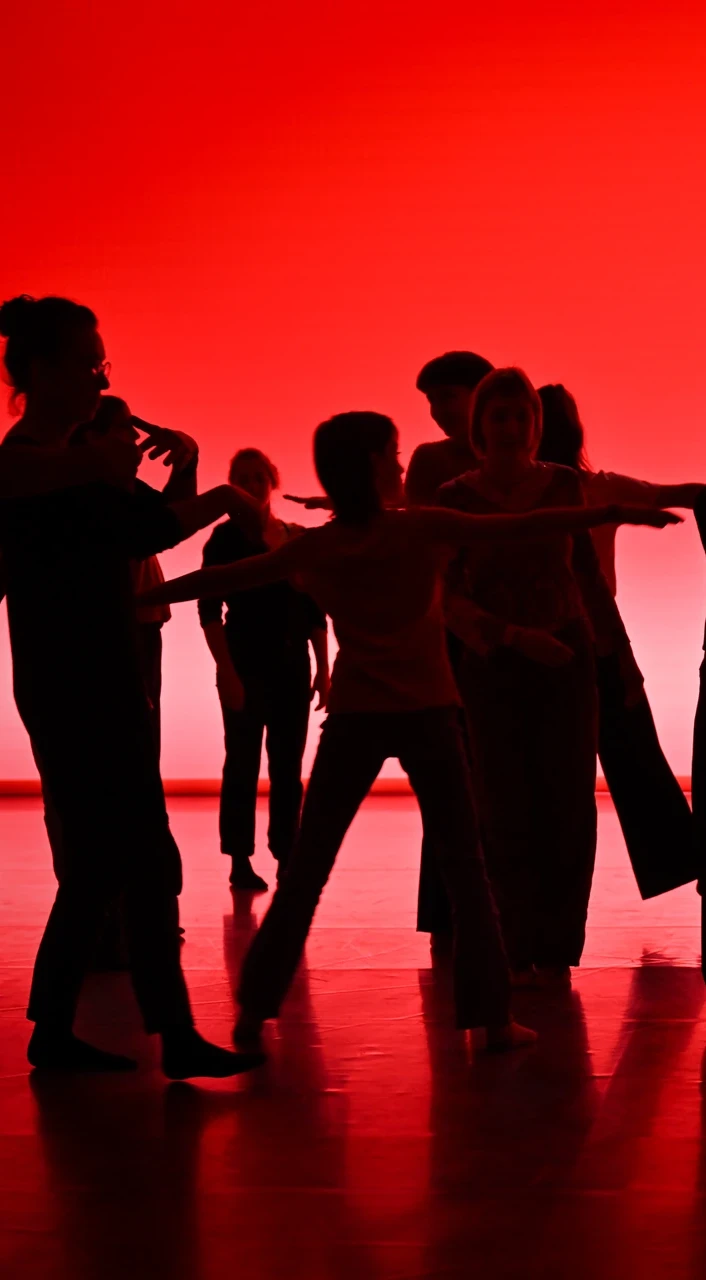 HELLERmoves: Professional WorkshopNoa Eshkol Chamber Dance GroupHELLERmoves: Professional Workshop15.09.2026WorkshopFragments of Life and Art
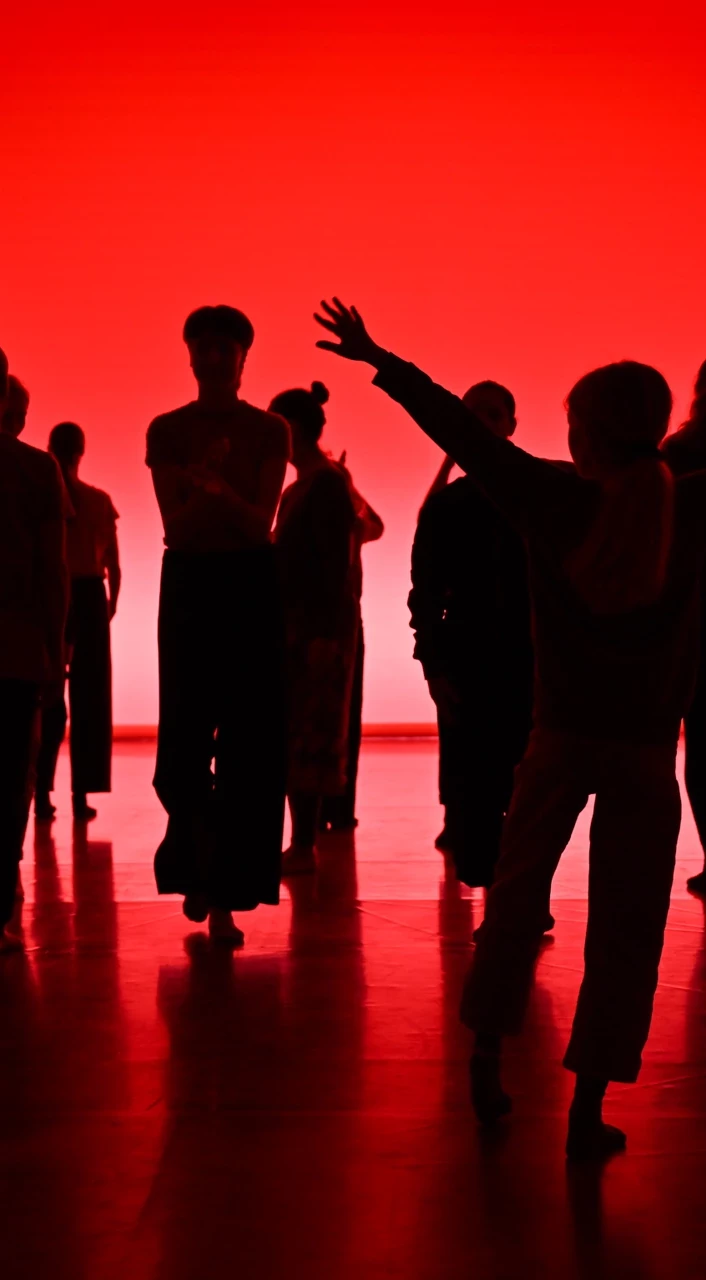 HELLERmoves: All levelsNoa Eshkol Chamber Dance GroupHELLERmoves: All levels16.09.2026WorkshopFragments of Life and Art
 Public RehearsalNoa Eshkol Chamber Dance GroupPublic Rehearsal17.09.2026Open StudioFragments of Life and Art
 A Suite of Dances – A Day in the StudioNoa Eshkol/Noé Soulier & Dance On EnsembleA Suite of Dances – A Day in the Studio25.09.2026DanceFragments of Life and Art

