
 Program
 YouTube
 Instagram
 Facebook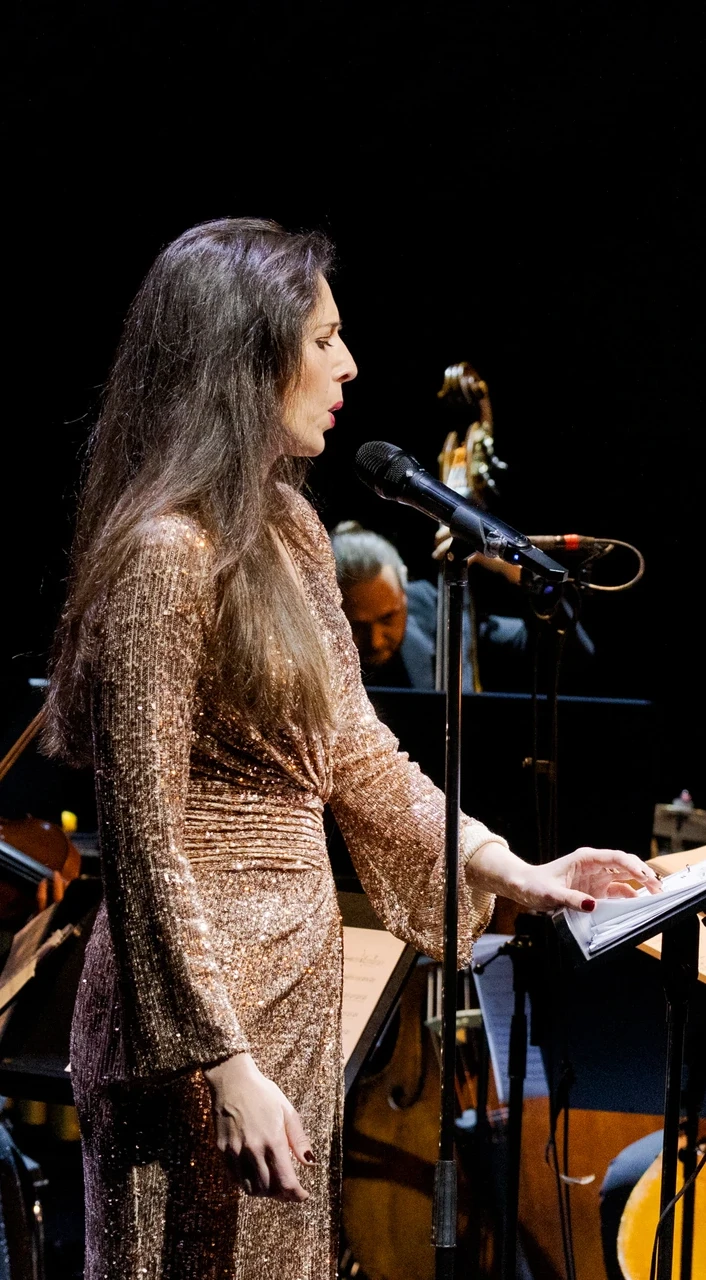
In 1898, Heinrich York-Steiner published the story of Mendele, a “poor Jewish musician who earns his living by performing at weddings” and fulfils a dream when he uses his hard-earned savings to pay a visit to the imperial court theatre in Vienna. There, by chance and without any prior knowledge, he hears Wagner's Lohengrin: “The opera changes his life. Back in his shtetl, he no longer wants to play the traditional melodies at Jewish festivals, but only Wagner's melodies ...”.
Mendele's story points to an area of tension that has been virulent since the 19th century: the deep fascination that emanates from Wagner's music and at the same time the serious problem of his openly articulated anti-Semitism. Wagner's writings - above all “Judaism in Music” - formulated an ideology that culturally devalued Judaism and had a fatal effect in later political contexts. This makes the fact that Jewish musicians, writers and intellectuals in particular have always felt a special aesthetic attraction to Wagner's work all the more complex.
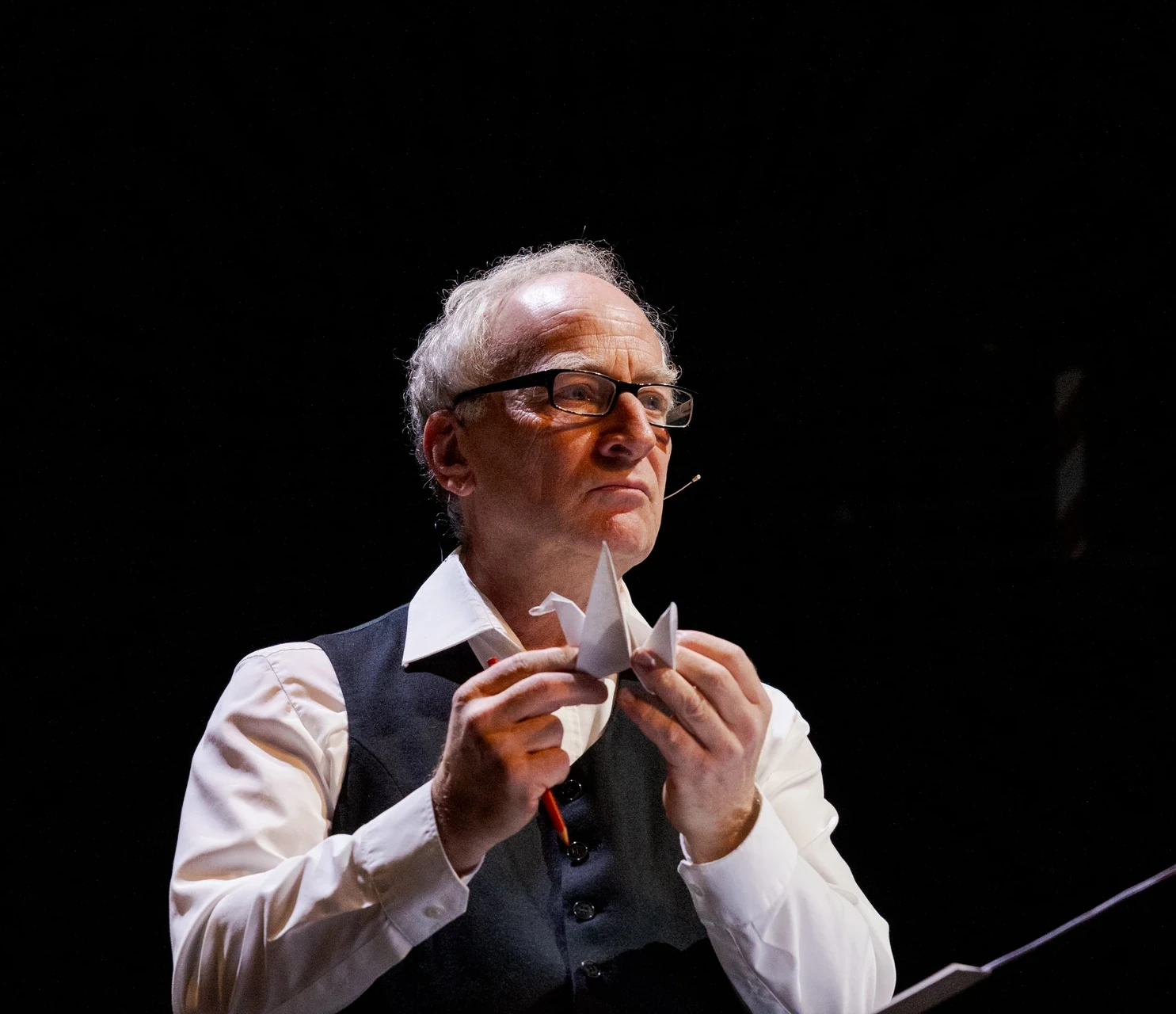
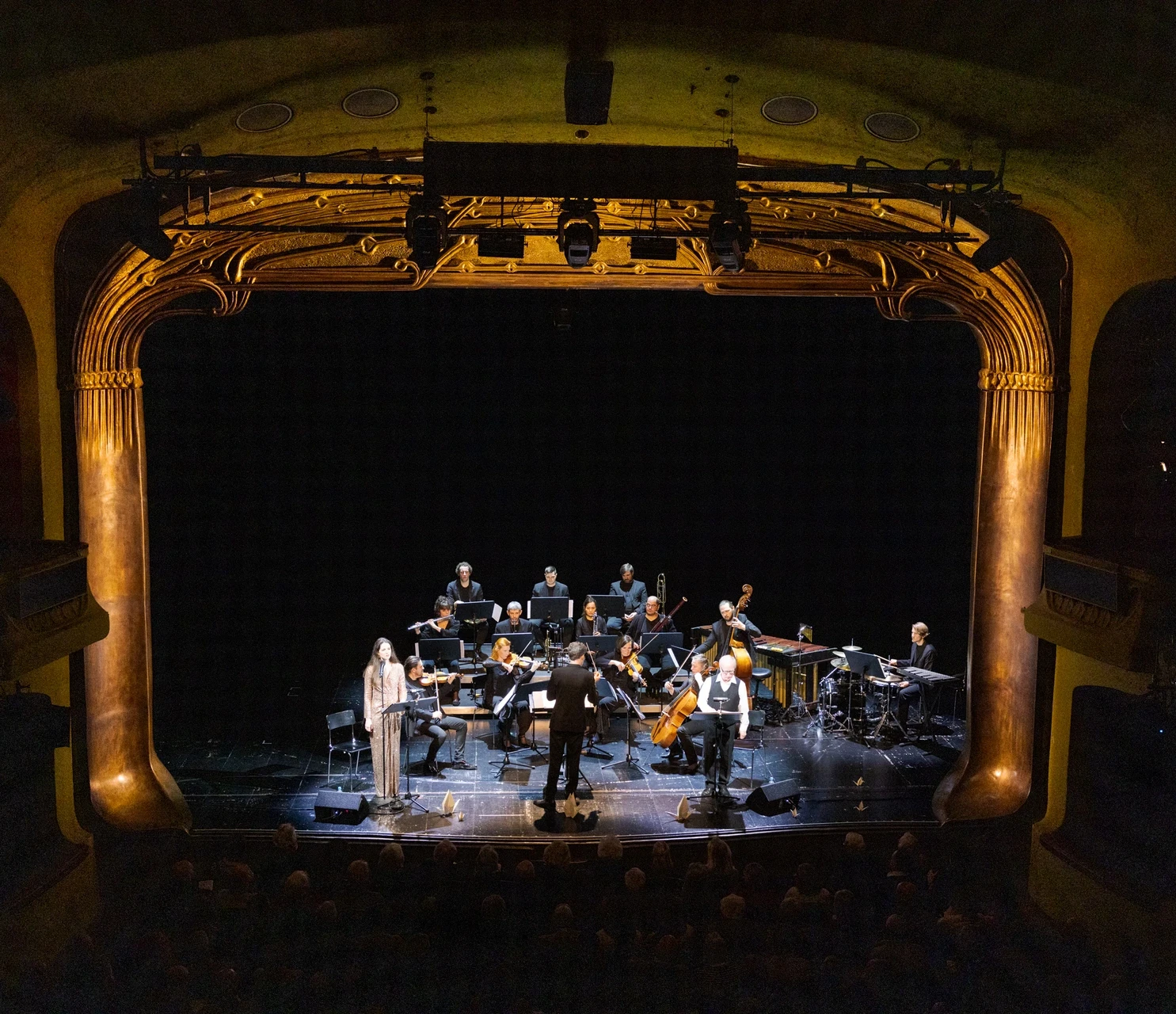
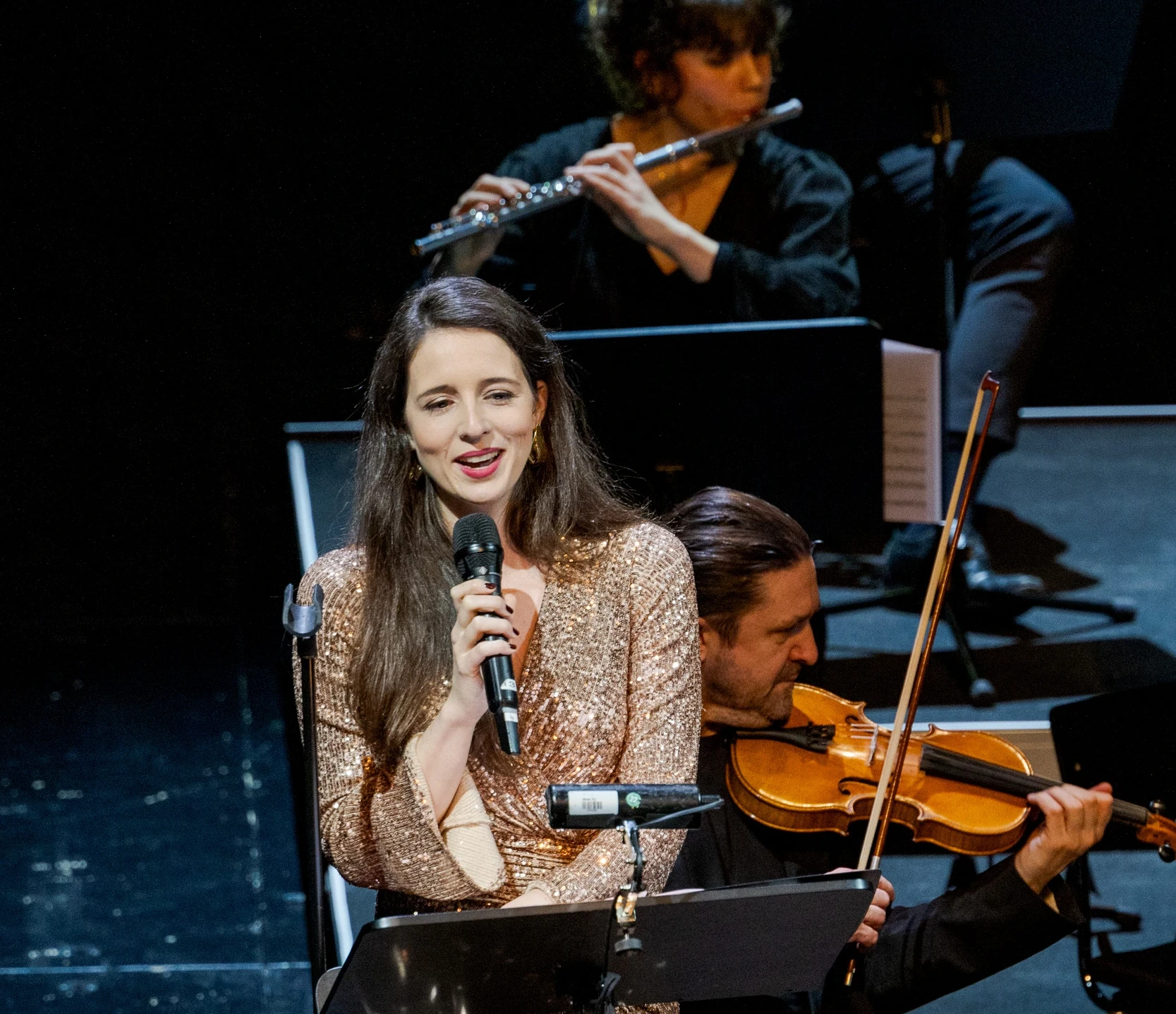
In 2025, the Jewish Chamber Orchestra Munich, which is the “Orchestra in Residence” of the Münchner Kammerspiele in the 2025/26 season, conducted by Daniel Grossmann, brought the story of Mendele to the stage with great success as a commissioned work by composer Evgeni Orkin, born in Ukraine in 1977, with music between Klezmer and Wagner. In a version arranged by Martin Valdés-Stauber, Stefan Merki narrates the story and Ethel Merhaut sings Yiddish songs or a new text to the ballad of Senta. We too must ask ourselves the questions that moved Mendele: “What does music have to do with the Jews or the Christians? [...] Is music kosher? Is a melody trefe? Do you have to salt and wash out notes? Do you have to shake a fiddle?” Sexists, racists, anti-Semites: How do we experience art today whose creators had political or social views that we don't share?
 © Thomas Dashuber
 © Thomas Dashuber
 © Thomas Dashuber
Biography
The Jewish Chamber Orchestra Munich (JCOM), founded in 2005 by Daniel Grossmann, sees itself as a contemporary Jewish voice and is present on renowned stages worldwide. With a variety of formats, it makes contemporary Jewish culture audible and visible and acts as an ambassador for Jewish culture. The musicians come from over twenty countries and different religious backgrounds. Artistically, JCOM cultivates Jewish musical traditions from the Baroque to the present day, highlights forgotten Jewish composers and revitalises historical sites of Jewish life. It commissions compositions, cooperates with internationally renowned soloists and institutions and complements its profile with a wide range of educational projects.

Cast & Credits
| Singer | Ethel Merhaut |
| Actor | Stefan Merki |
| Orchestra | Jewish Chamber Orchestra Munich |
| Conductor | Daniel Grossmann |
| Libretto | Martin Valdés-Stauber |
| Scenic Design | Constanze Nogueira Negwer |
Evgeni Orkin (*1977): Mendele Lohengrin (2025). Based on the story of the same name by Heinrich York-Steiner (1898). A klezmer singspiel, commissioned by the JCOM.
Cooperation & Funding
“Mendele Lohengrin” is part of the “Fragments of Life” festival within the framework of Tacheles – Year of Jewish Culture in Saxony 2026.
Supported by the Cultural Foundation of the Free State of Saxony. This measure is co-financed by tax revenues on the basis of the budget approved by the Saxon State Parliament. Supported by the Federal Government Commissioner for Culture and the Media as part of the Alliance of International Production Houses.