
 Program
 YouTube
 Instagram
 Facebook
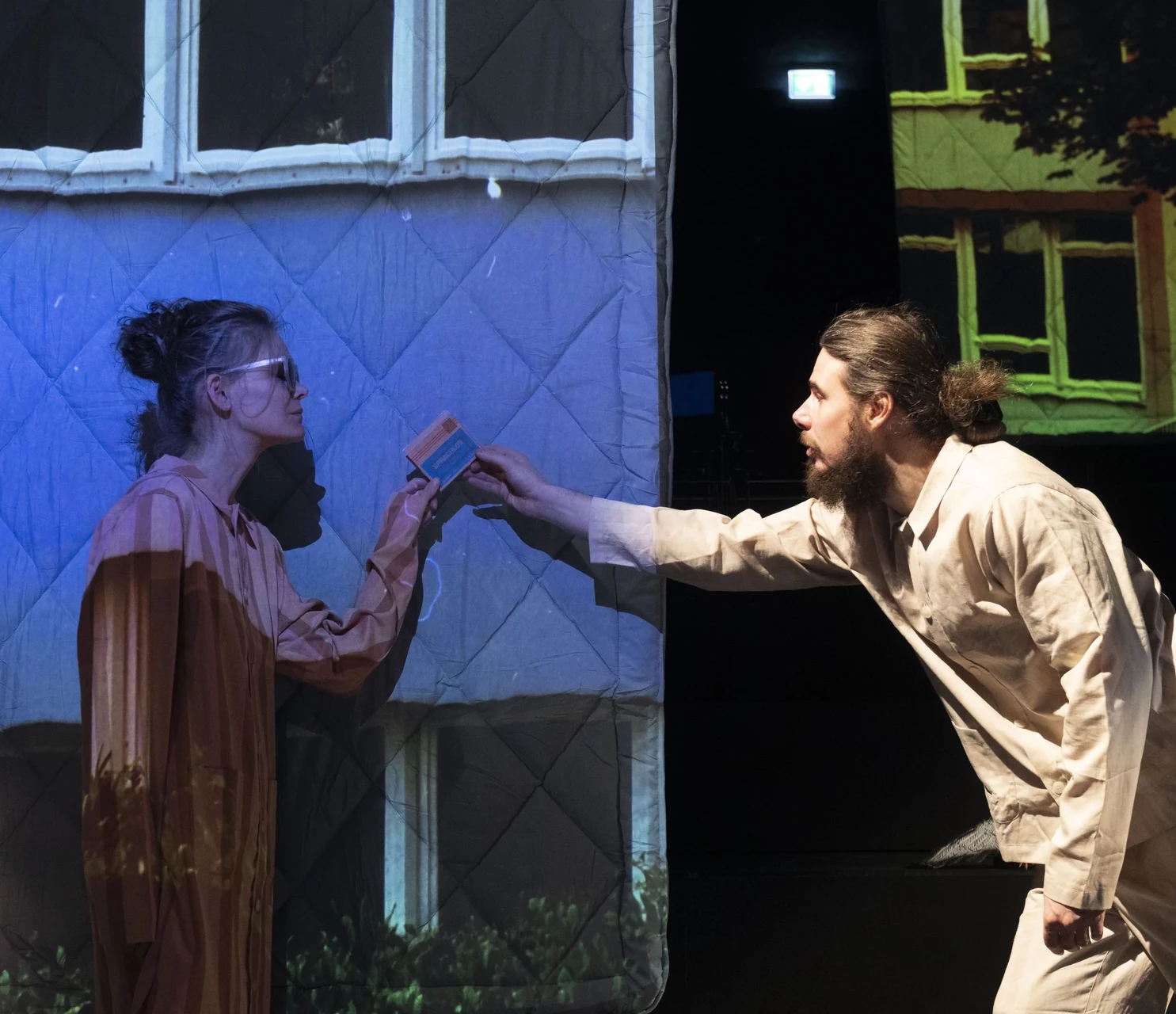
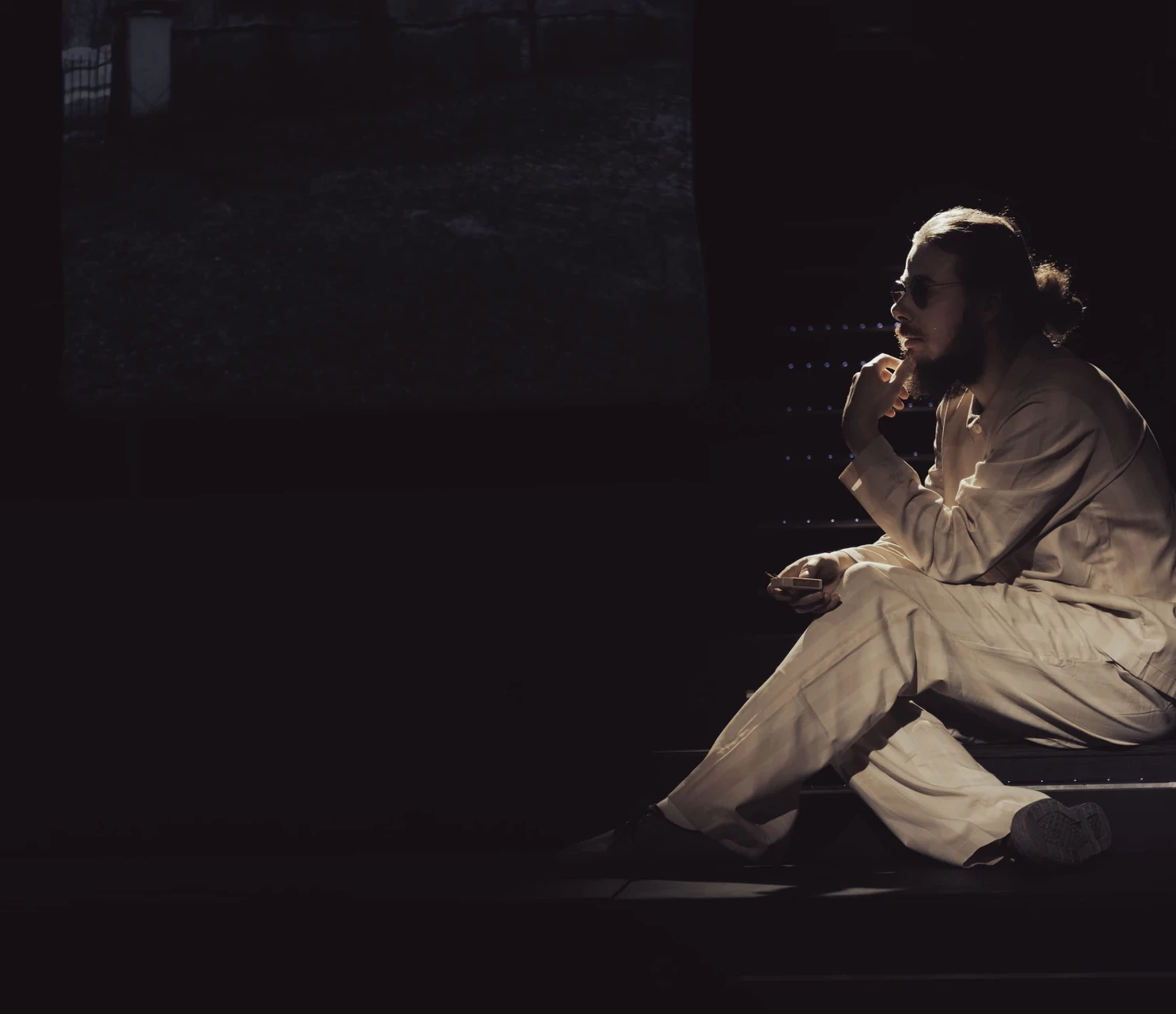
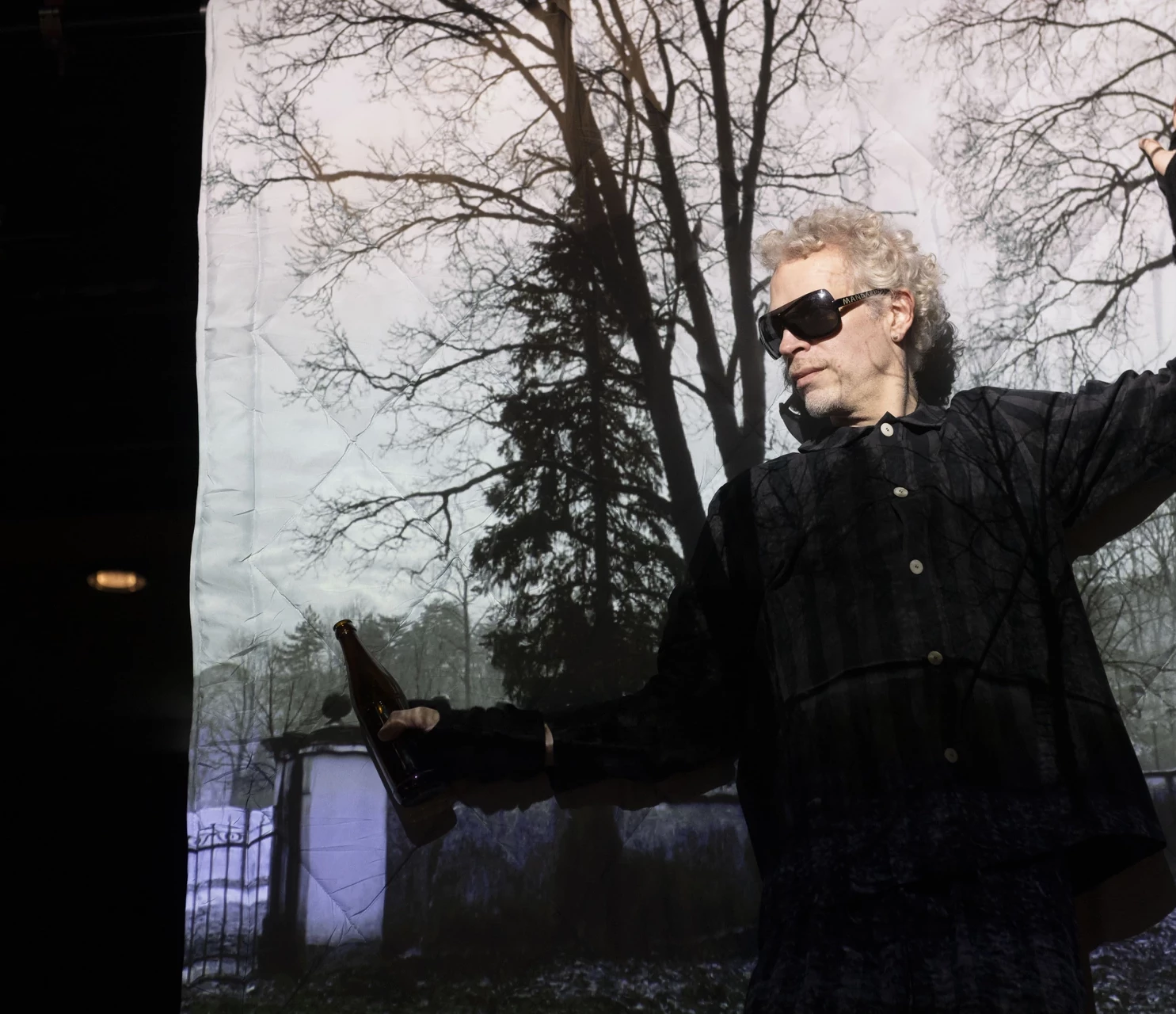
The theater project “Black Box” is based on a play by the Belarusian playwright Pavel Pryazhko and explores the complex interweaving of past and present in the countries of the former Eastern Bloc. “Black Box” deals with nostalgia, the longing for a childhood free of responsibility and the disturbing repetition of behavioral patterns shaped by a legacy of violence and oppression.
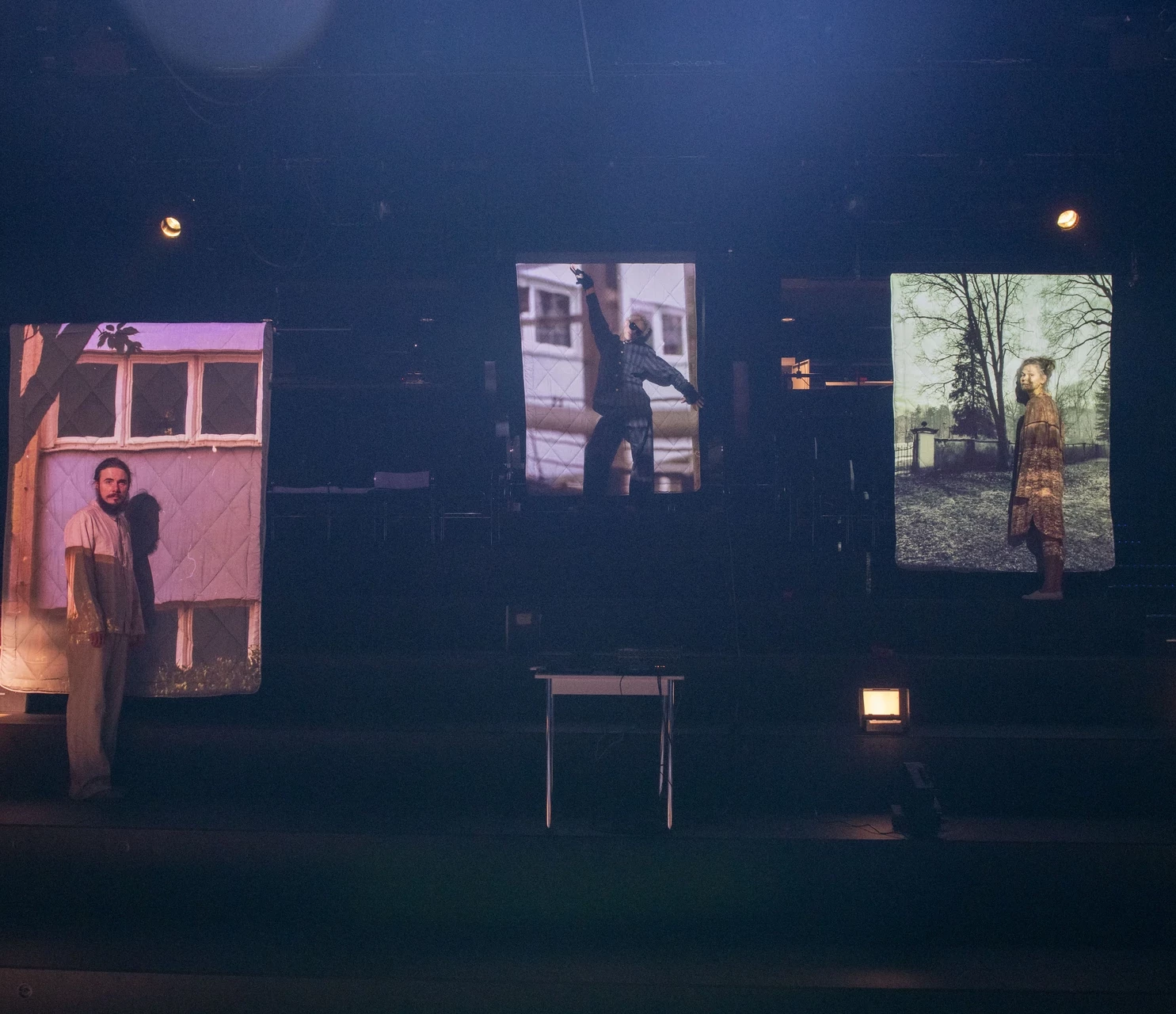
The characters in the play exist on two time levels: 1986 and 2016. 1986 is the second year of Perestroika, while in 2016 Belarusian President Lukashenka is in his fifth term of office. In 1986, Alexey, Marina, Sergey and Valery are twelve-year-old schoolchildren. In 2016, they are forty-two years old and seem to have been transported back to their former boarding school, where everything - except for themselves - has supposedly stood still in time.
The production explores the intersection of two realities: the filmed past and the immediate, lived present. Analogue video formats explore on stage how visual material influences the perception of reality.
The musician and composer Dmitrii Vlasik, who is known for his work with experimental sounds and electronic textures, is developing a composition for “Black Box”. The performance is being created in collaboration with artists from the L.O.F.T. Theatre in Budva, Montenegro.
 © Daria Chalikova
 © Daria Chalikova
 © Daria Chalikova
 © Daria Chalikova
Biography
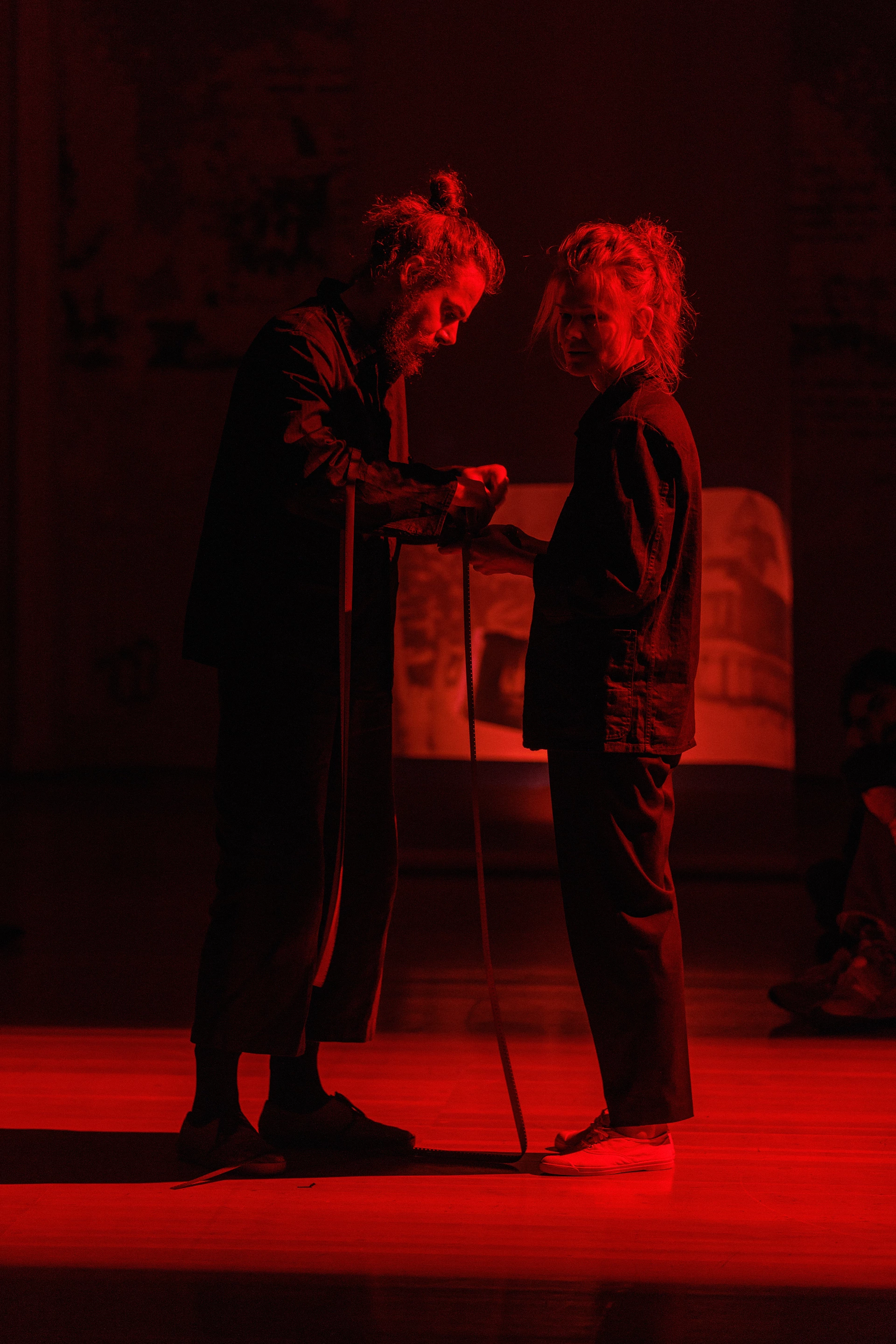
Photo: Klaus Gigga
aliveduo is a creative partnership between Alena Starostina and Ivan Nikolaev, who emigrated to Dresden in 2022 from Russia, where they were among the leading representatives of contemporary theater. In Germany, they continue their practice in the field of time-based media. In their projects - whether theater or film - they work with analogue material, which they value for its tactile, physical imprint of time. The artists' latest film, “Trace of a Silent Tear”, was selected for the Laterale Film Festival (Italy), RPM Fest (USA), BISFF (China) and AIDFF (Athens).
Funding
A co-production of HELLERAU - European Centre for the Arts. Supported by the Cultural Foundation of the Free State of Saxony. This project is co-financed by tax funds on the basis of the budget approved by the Saxon State Parliament. The research for the production was supported by the Performing Arts Fund with funds from the Federal Government Commissioner for Culture and the Media.